One of the first questions Arizona homeowners ask once they decide to build a pool is simple: how long will it take before we can swim? The answer depends on more than the construction itself, because a pool project includes design, site planning, engineering, permitting, excavation, inspections, plumbing, steel, electrical work, shotcrete, tile, coping, interior finish, filling, startup, and final orientation.
In Arizona, the timeline can also be affected by city permitting, yard access, soil conditions, weather, material selections, and pool complexity. For homeowners planning ahead, understanding each stage makes the process much easier to manage.
What Is a Realistic Pool Construction Timeline in Arizona?
The best way to think about a pool project is to separate pre-construction from active construction. Pre-construction includes choosing the pool design, evaluating the property, preparing plans, completing engineering, submitting permits, and waiting for city approval.
Active construction begins once those steps are complete and the yard is ready for excavation. That distinction matters because the number of days crews physically work in the backyard does not reflect the full project timeline.
A straightforward pool with open access and a simple design can move much faster than a project with extensive customization, limited access, rocky soil, special-order finishes, or additional backyard construction. If you are still weighing whether to move forward at all, our guide to things to consider before building a pool in Arizona covers the decisions that come first.
The Stages of Building a Pool in Arizona
Stage 1: Choosing the Pool Design
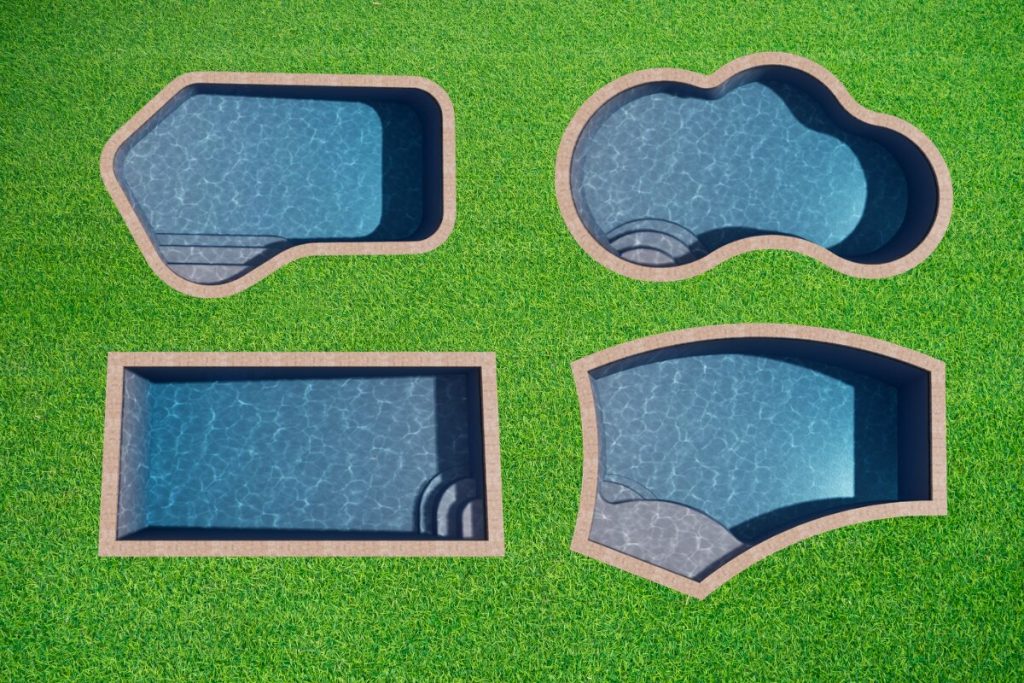
The design stage can take a long time when a homeowner starts from scratch with a fully custom pool. Simply Fun Pools takes a more streamlined approach by offering established pool plans with defined shapes, sizes, equipment, and finish options.
That can reduce the time spent going back and forth on basic design decisions. Homeowners still need to choose the pool plan and decide on items such as tile, coping, interior finish, lighting, cleaning systems, and optional upgrades. Browsing the project gallery is a practical way to narrow those choices early.
Making those decisions early helps prevent delays later. Changing major selections after construction begins can affect materials, engineering, permits, inspections, and scheduling.
Stage 2: Site Evaluation and Backyard Planning
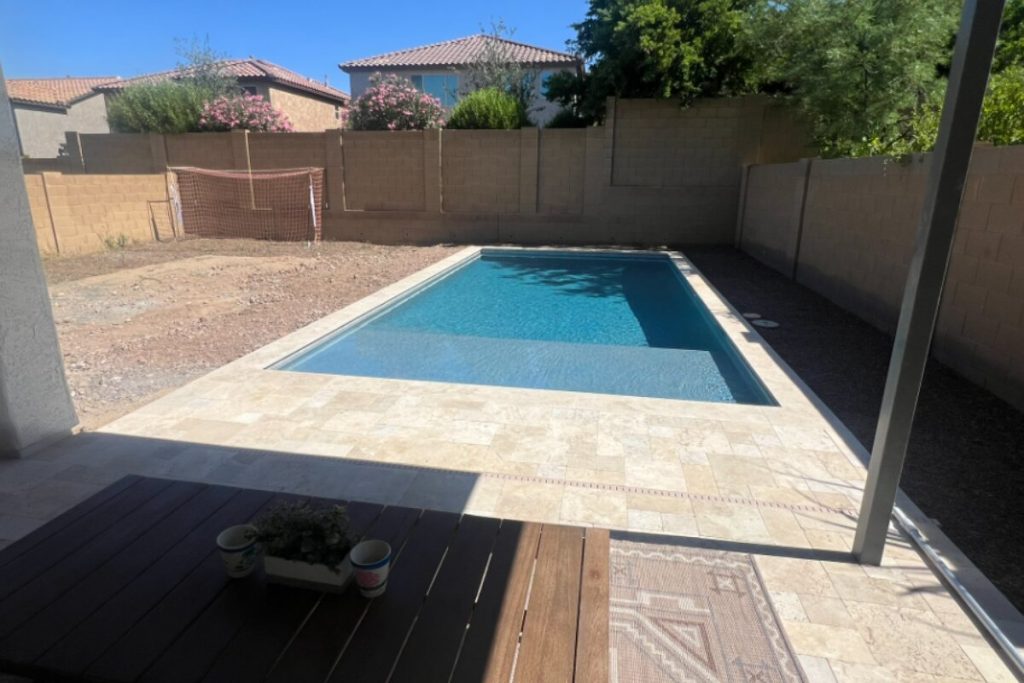
Before construction can begin, the pool has to fit the property. The builder needs to account for property lines, easements, setbacks, the home, existing walls, utilities, landscaping, and any structures in the backyard.
Access is also important because excavation equipment needs a way to reach the yard. Simply Fun Pools’ standard excavation assumptions include approximately 11 feet of trackhoe access, so tighter side yards may require smaller equipment or additional labor.
Existing walls, mature landscaping, patios, air-conditioning equipment, storage sheds, and other obstacles can also affect how easily equipment can reach the site. A clear site plan helps prevent surprises once the project starts.
Stage 3: Engineering, Drawings, and Permits
In-ground pools generally require approval from the city, town, or municipality responsible for the property. The permit package can include structural plans, plumbing, electrical information, pool location, safety barriers, and other property details.
Permit timing varies by jurisdiction. Phoenix, Scottsdale, Mesa, Chandler, Gilbert, and surrounding cities each have their own review processes, and some permits move faster than others. Our breakdown of the pool permitting process in Arizona walks through what each submittal involves.
Corrections, additional documentation, or responses to plan-review comments can add time. This is one reason homeowners should avoid waiting until early summer to start the process.
If HOA approval is required, handle that early as well. HOA review can become another bottleneck if you leave it until the last minute.
Stage 4: Pool Layout and Excavation
Once approvals are complete, the pool is laid out in the backyard. This is when homeowners can see the pool’s size and position relative to the house, patio, and surrounding yard.
Excavation is usually one of the fastest and most dramatic stages. With good yard access and normal soil conditions, the dig can move quickly.
Problems arise when crews encounter hard soil, rock, buried debris, tight access, large roots, existing concrete, or other unexpected conditions. Arizona soil conditions can vary significantly from one property to another, so a simple excavation may go quickly, while a difficult dig may require additional equipment and more time.
Stage 5: Plumbing
After excavation, the team installs the underground plumbing. This includes the systems that move water between the pool and the equipment, such as skimmers, returns, vacuum lines, and other plumbing components.
Equipment location matters because longer plumbing runs can increase the scope of the work. During construction, test and monitor the plumbing to verify system integrity before the pool is finished.
This stage may not look as dramatic as excavation, but it is critical to the pool’s long-term performance.
Stage 6: Steel Reinforcement
Steel reinforcement is installed to create the pool’s structural framework. The steel follows the shape of the floor, walls, steps, benches, and other structural features.
The reinforcement requirements are based on the pool’s engineering design. At this stage, the basic shape becomes more defined, but the project may need to pause for inspections before moving forward.
Inspection scheduling is one reason pool construction does not always happen every day. A crew may be ready, but the next phase cannot begin until the required inspection is complete.
Stage 7: Electrical and Bonding
Electrical work is also completed before the pool is finished. This can include equipment connections, bonding, junction boxes, lighting, and other electrical components.
Some properties require additional work between the main electrical panel and the pool equipment. If the panel is far from the equipment location or additional electrical capacity is needed, that can add work to the project.
Reviewing electrical conditions early helps reduce the chance of discovering a problem late in construction.
Stage 8: Shotcrete
Shotcrete is the stage when the project really starts to look like a pool. The structural concrete shell is applied over the steel reinforcement, creating the pool’s permanent shape.
Steps, benches, depth changes, and other features become much easier to visualize once the shotcrete is complete. After this stage, there may be a curing period before certain parts of construction continue.
This is important for homeowners to understand because a day without visible work does not always mean the project is delayed. Some pauses are simply part of the construction process.
Stage 9: Tile and Coping
The team installs tile and coping around the pool after the structural shell is in place. Waterline tile gives the pool a finished look and provides a durable surface at the waterline, while coping creates the finished edge around the pool.
Simply Fun Pools uses defined material selections within its streamlined model, which can reduce the complexity of sourcing custom materials. Homeowners who choose specialty tile or unusual stone should make those selections early because special-order materials can add lead time.
Stage 10: Decking and Backyard Work 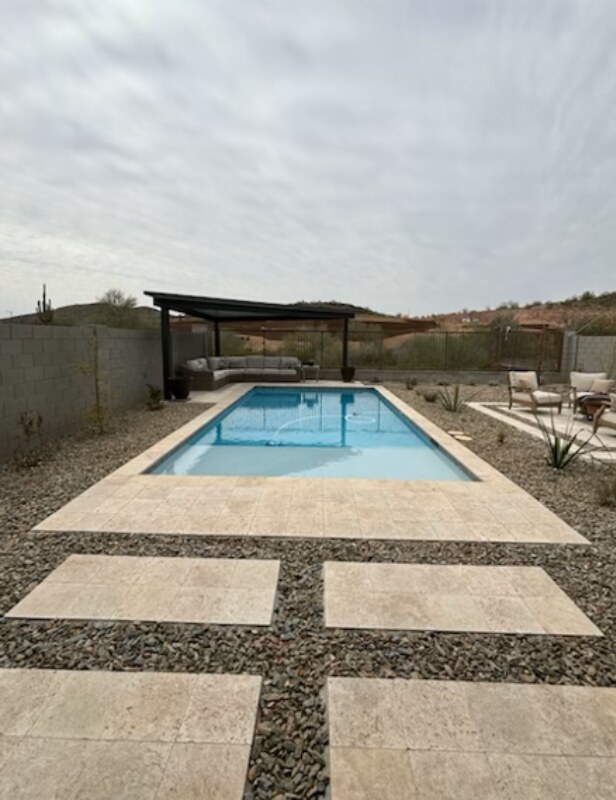
Decking can be one of the biggest variables in the project schedule. Some homeowners want a simple pool with minimal additional backyard work, while others are creating a larger outdoor living space with extensive decking, patios, landscaping, masonry, shade structures, or other features.
Simply Fun Pools’ base pool package does not include every possible backyard improvement, so some work may be completed separately. That means the pool itself may be complete before the entire backyard renovation is finished.
If you want the whole yard completed at the same time, coordinate those additional projects early so the schedules work together.
Stage 11: Pool Barrier Requirements
Arizona pool projects must also comply with applicable local safety and barrier requirements. Depending on the property, that can include pool fencing, gates, door closers, window locks, or other safety measures.
Address these requirements during planning rather than leaving them until the end. Missing barrier requirements can delay final approval or prevent you from using the pool. There is more on this in our guide to summer pool safety.
If your property needs a new fence or modifications to doors or gates, include those items in the overall project timeline.
Stage 12: Interior Finish
The interior finish is one of the final construction stages. Simply Fun Pools includes a white marble pool finish as standard, with upgrade options such as Pebble Sheen available.
Finalize interior finish selections well before crews reach this stage. Once the finish is applied, the pool is ready to begin filling.
Follow the builder’s instructions carefully to protect the new surface. Homeowners should avoid stopping the water partway through the fill unless instructed to do so.
Stage 13: Filling and Startup 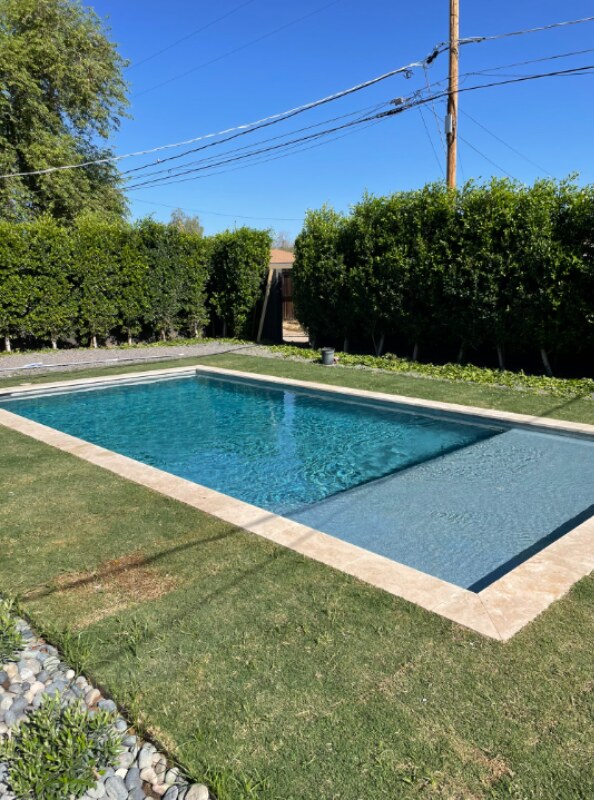
Once the pool is full, the startup process begins. This includes balancing water chemistry and ensuring the equipment is operating correctly.
The pool is technically built at this point, but startup is an important part of protecting the new finish and preparing the system for normal use. Homeowners should also receive an equipment orientation.
That may include pump operation, filtration, cleaning, controller settings, and basic water-care responsibilities. Understanding the system from the beginning makes pool ownership much easier.
What Can Delay an Arizona Pool Build?
Several factors can extend the timeline. Permit delays are one of the most common, especially if the city requests revisions or additional documentation and the project needs another review cycle.
Backyard access can also slow excavation because tight side yards may require smaller equipment and more labor. Hard or rocky soil can add time, especially when crews encounter unexpected underground conditions.
Existing concrete, landscaping, trees, and other obstacles may need to be removed before excavation can proceed. Material availability is another factor, particularly when specialty tile, custom finishes, equipment upgrades, or other nonstandard selections have longer lead times.
Change orders during construction can also disrupt the schedule. Changing the pool shape, equipment, finish, lighting, or decking after work has started may affect engineering, materials, permits, and inspections.
Arizona weather can also affect daily scheduling. Pool construction can happen year-round, but monsoon storms, heavy rain, or extreme conditions can occasionally delay outdoor work.
Does the Time of Year Matter?
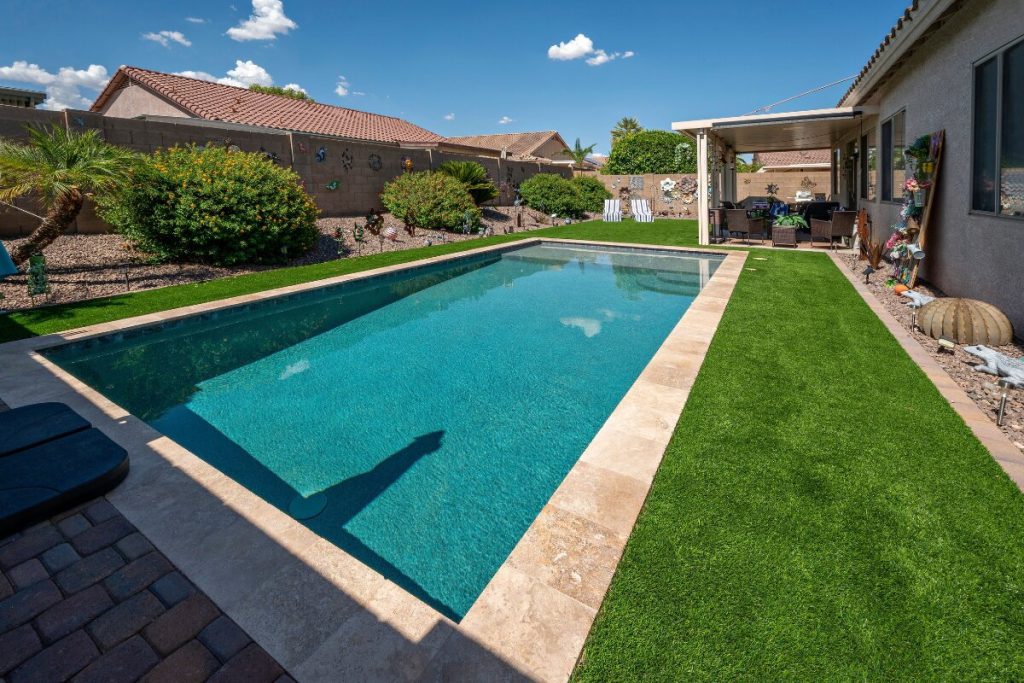
Yes. Fall and winter can be excellent times to start a pool project if you want to be ready before summer.
Beginning during cooler months gives homeowners more time to complete design, permitting, and construction before temperatures climb. Spring is a popular time to start thinking about pools, but that can also mean higher demand.
Homeowners who wait until late spring to begin may find themselves going through design and permitting as summer approaches. Summer construction is still possible in Arizona, but extreme heat and monsoon weather can affect individual workdays.
If you want the best chance of swimming by next summer, starting earlier is usually the better strategy.
Why a Simpler Pool Design Can Be Faster to Build
A highly customized pool can take longer because there are more decisions, more engineering, more specialty materials, and more opportunities for changes. Simply Fun Pools uses a different model.
Instead of designing every pool from scratch, homeowners choose from established plans and defined material options. That can simplify design, engineering, ordering, and scheduling while also helping control costs. We break those numbers down in how much it costs to build a pool in Phoenix, and in what is realistic if you are building a pool for under $50,000.
For homeowners who want a well-built in-ground pool without adding every possible feature, a streamlined approach can make the entire process easier to manage.
How Homeowners Can Help Keep the Project on Schedule
One of the best things homeowners can do is make major decisions early. Finalize the pool plan, tile, coping, finish, and upgrades before construction begins.
Prepare the yard for access, too. If sheds, furniture, vegetation, or other obstacles need to be removed, handle that before excavation is scheduled.
Respond quickly when the builder needs approvals, signatures, or selections. Delays in homeowner decisions can pause the project just as easily as construction issues.
Avoid major mid-project changes whenever possible. The more consistent the plan stays, the easier it is to keep scheduling, inspections, and materials moving.
Example of a Straightforward Pool Build
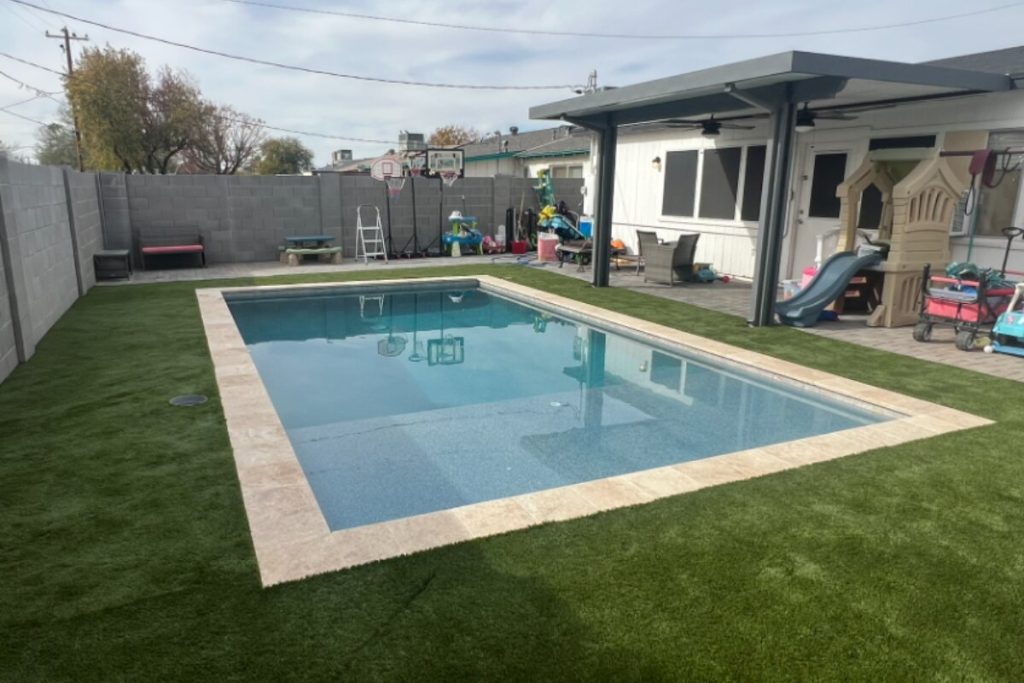
A typical streamlined project may follow a clear sequence. First, the homeowner chooses a Simply Fun Pools plan and finalizes the main material selections.
The team evaluates the site, prepares plans, and submits permits. Once approvals are complete, the team lays out and excavates the pool.
The team installs plumbing and steel, then completes electrical work and required inspections. Shotcrete forms the structural shell, then tile and coping are installed, along with any applicable decking or backyard work.
The interior finish is applied, the pool is filled, and startup begins. The exact time spent in each phase varies by property, municipality, weather, inspections, and project scope.
That is why it is more useful to think of the project as a series of stages rather than expecting crews to be working in the yard every day.
Frequently Asked Questions
How long does it take to build an in-ground pool in Arizona?
How long does the permit process take?
What part of the pool build takes the longest?
Can you build a pool in Arizona during winter?
Can you build a pool during summer?
Does rocky soil make a pool take longer to build?
Does limited backyard access slow construction?
Does a custom pool take longer than a standard pool plan?
When should I start if I want a pool for next summer?
Start Early and Understand the Process
Building a pool in Arizona involves more than digging a hole and filling it with water. The full process includes planning, permits, excavation, plumbing, steel, electrical work, inspections, shotcrete, finishes, filling, and startup.
The final timeline depends on the property, municipality, design, soil conditions, access, materials, and any additional backyard improvements. Homeowners can help keep the process moving by making selections early, preparing the yard, responding quickly to questions, and avoiding major changes after construction begins.
A streamlined pool design can make the process even easier by reducing unnecessary complexity.
Ready to Start Building Your Arizona Pool?
Simply Fun Pools gives Phoenix-area homeowners a straightforward way to build an in-ground pool without the complexity of a highly customized project. Homeowners can choose from established pool plans, defined material options, and available upgrades while Simply Fun Pools coordinates the core construction process.
If you want your pool ready for the next Arizona summer, the best time to start planning is before the heat arrives. Review the project gallery to see finished pools, then request a free quote to get started.